
The Power of Symbols and Codes
The Da Vinci CodeThe novel examines how symbols and codes carry hidden meanings, and how they can be used to communicate secrets across centuries.
increasing Bearing strength in each event
 decreasing
Bearing strength in each eventdecreasingThe Symbologist's Perspective
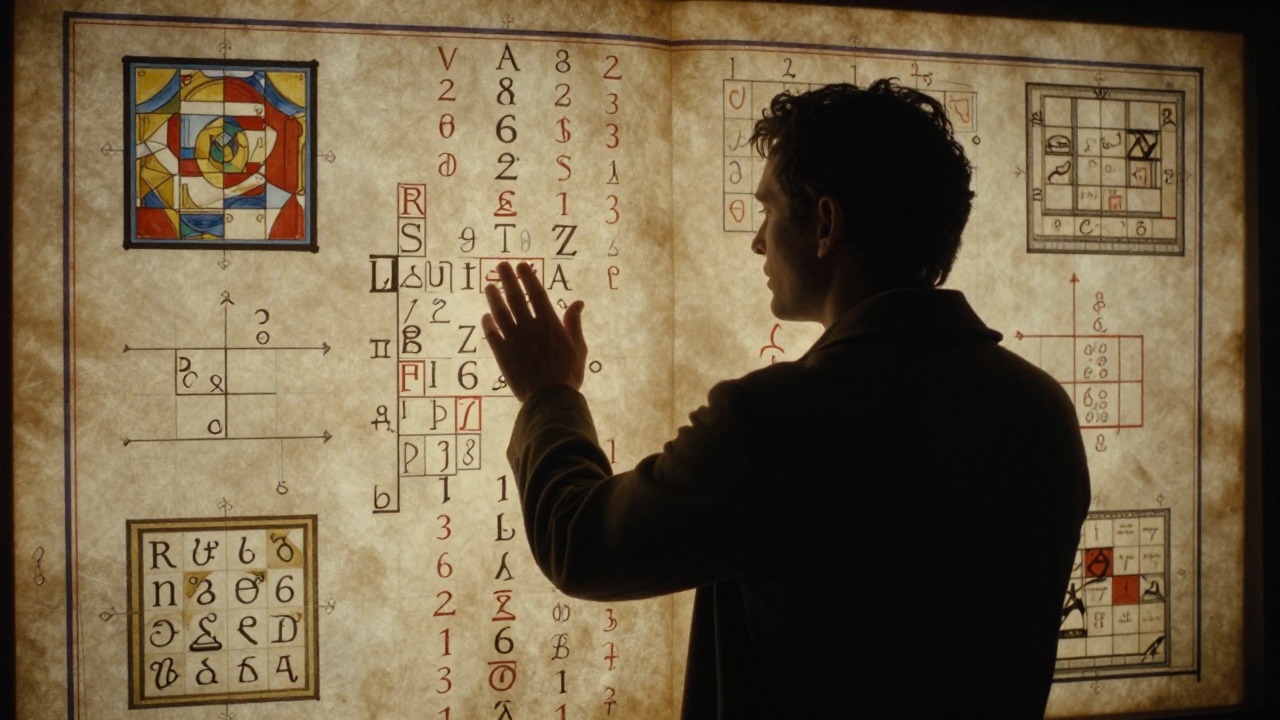
The Hidden Language
The Importance of Symbols
Langdon, as a symbologist, interprets the clues left by Saunière. He explains that symbols have multiple layers of meaning and can be used to conceal truths from the uninitiated.
The Codes
From the Fibonacci sequence to the anagrams and the Atbash cipher, codes are used to protect the secret of the Grail. The novel shows how codes can be both a barrier and a key.
The Art as Code
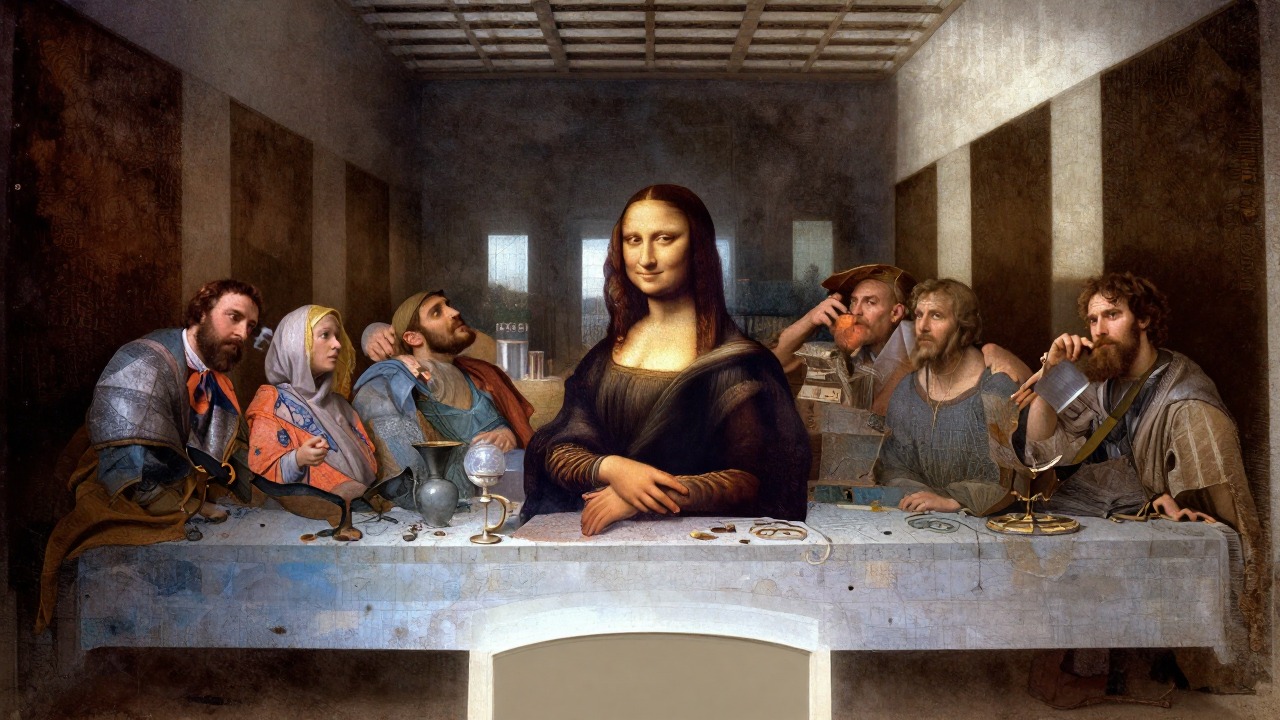
Da Vinci's Hidden Messages
The Last Supper
Da Vinci's painting contains hidden symbols, such as the absence of a chalice and the inclusion of Mary Magdalene. The novel argues that artists like Da Vinci used their work to pass on forbidden knowledge.
The Mona Lisa
The Mona Lisa's smile and the anagram of her name reveal the union of male and female. Art is a vessel for secret messages, accessible only to those who can read the symbols.
The Code of the Grail
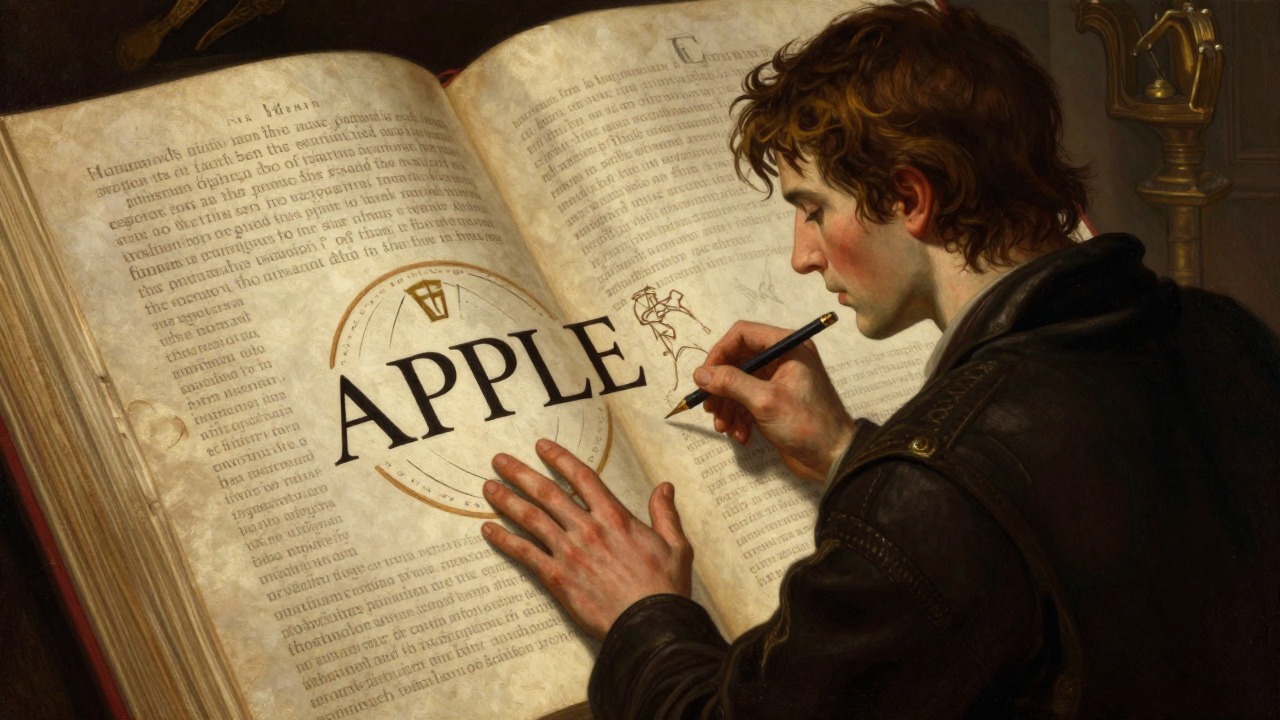
The Ultimate Secret
The Final Password
The password "APPLE" is a symbol of original sin and the fall of the sacred feminine. The code is both literal and metaphorical, revealing the Grail's location.
The Interpretation
Langdon realizes that the Grail's location is not a physical place but a symbol of the sacred feminine. The power of the code is in its ability to inspire understanding. The theme is that symbols are the keys to deeper truths.
Throughout the story
Various scenes
At the end of the story
